The Best Diving in Costa Rica
  • Diving Tours

    Diving Tours

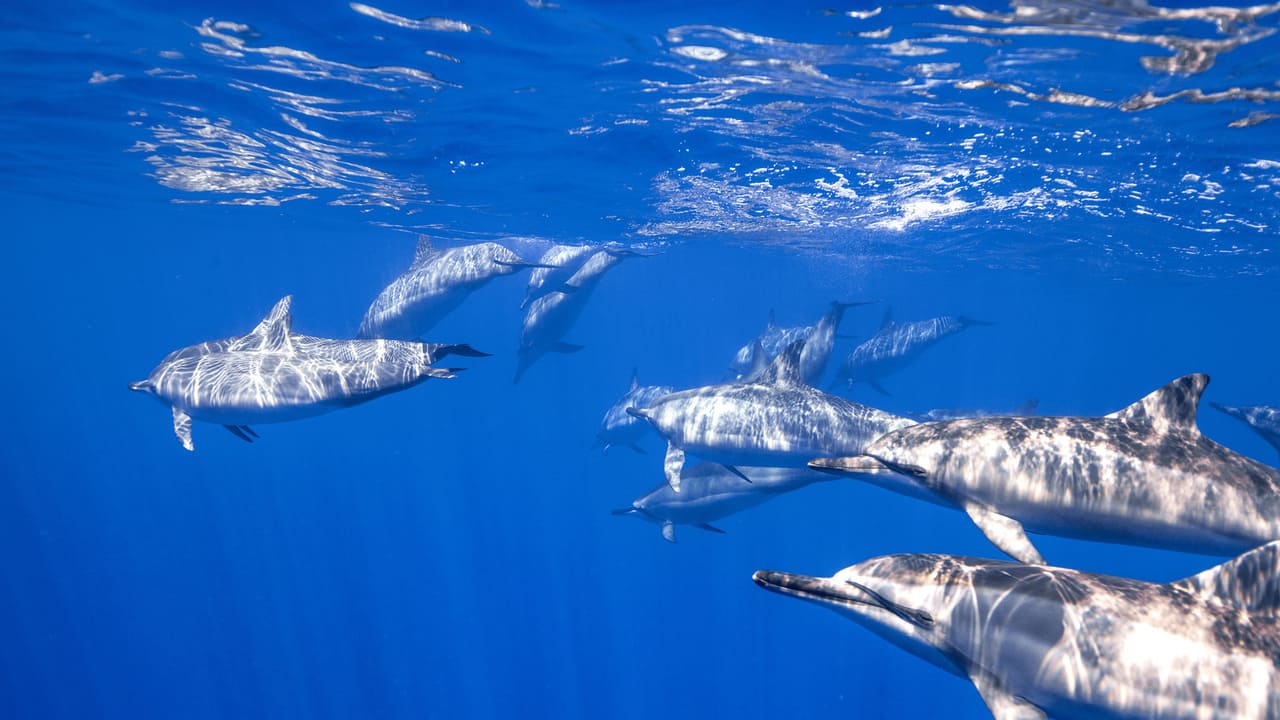
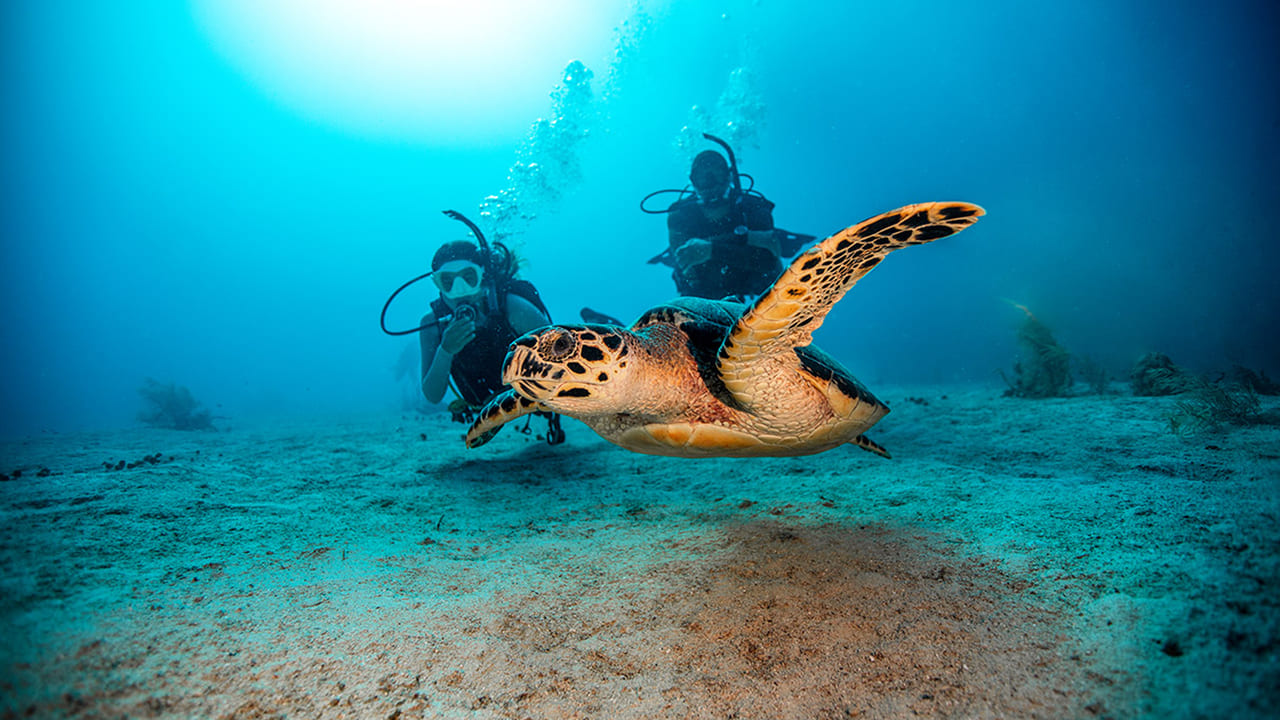
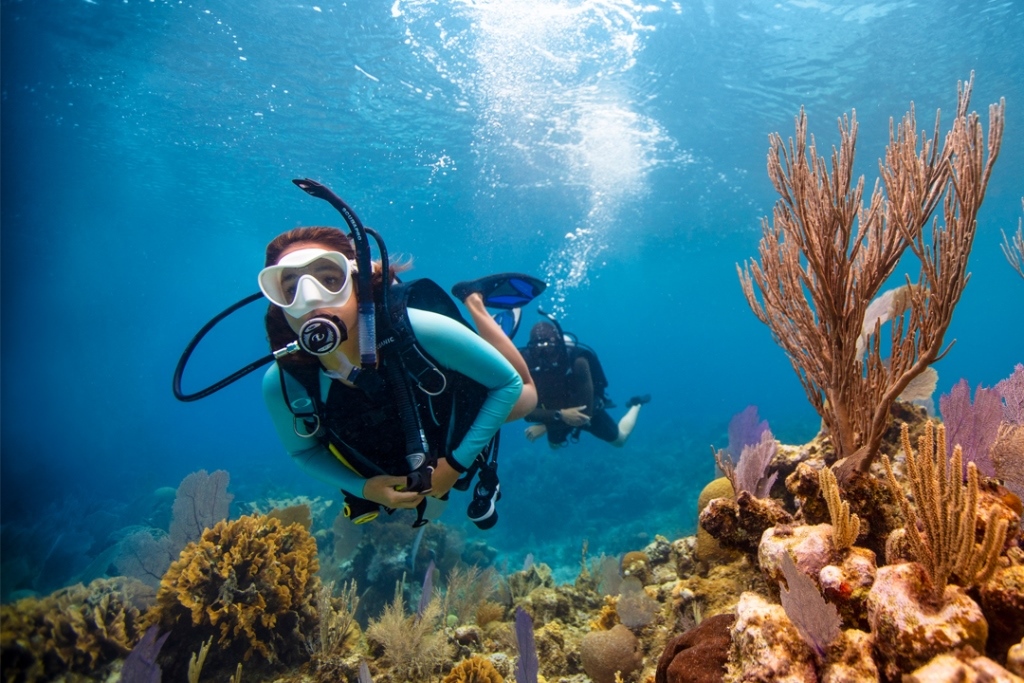
    We love to dive and we want to show you the wonders of our Las Catalinas Islands

    Tell me more

  • Diving Tours

    Diving Tours

    We love to dive and we want to show you the wonders of our Las Catalinas Islands

    Tell me more

  • Diving Tours

    Diving Tours

    We love to dive and we want to show you the wonders of our Las Catalinas Islands

    Tell me more

  • PADI COURSES

    PADI COURSES

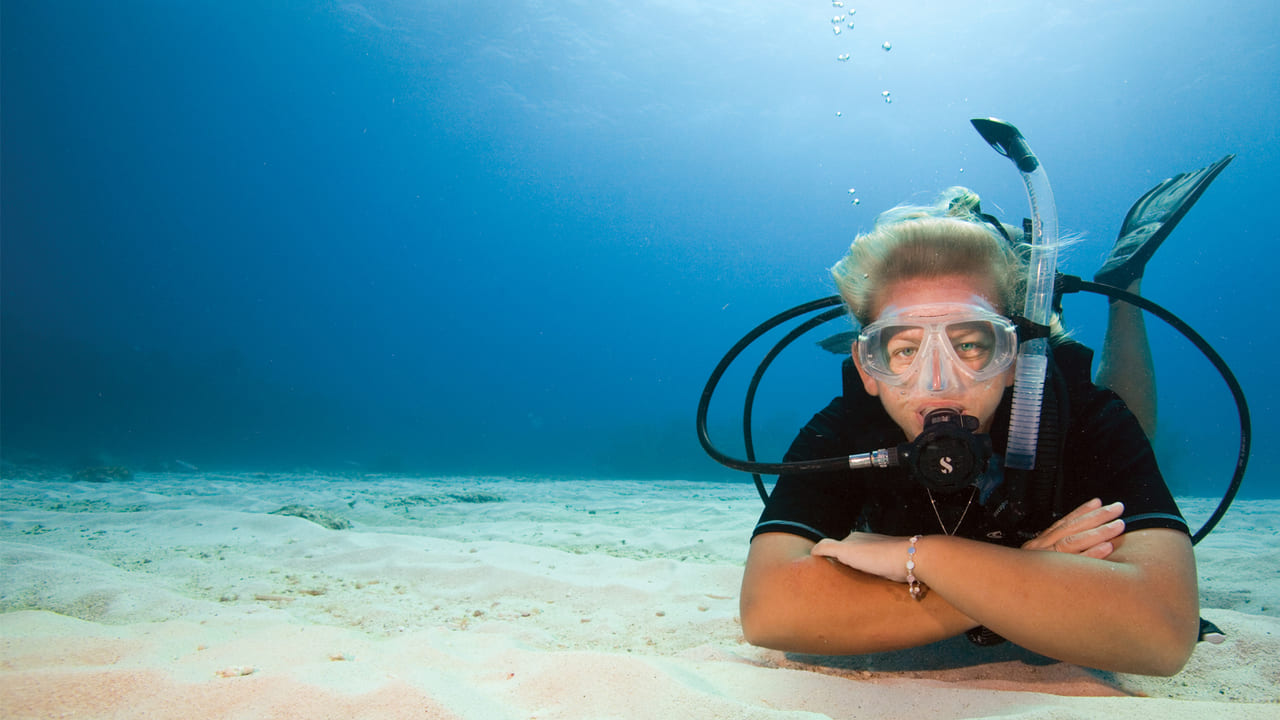
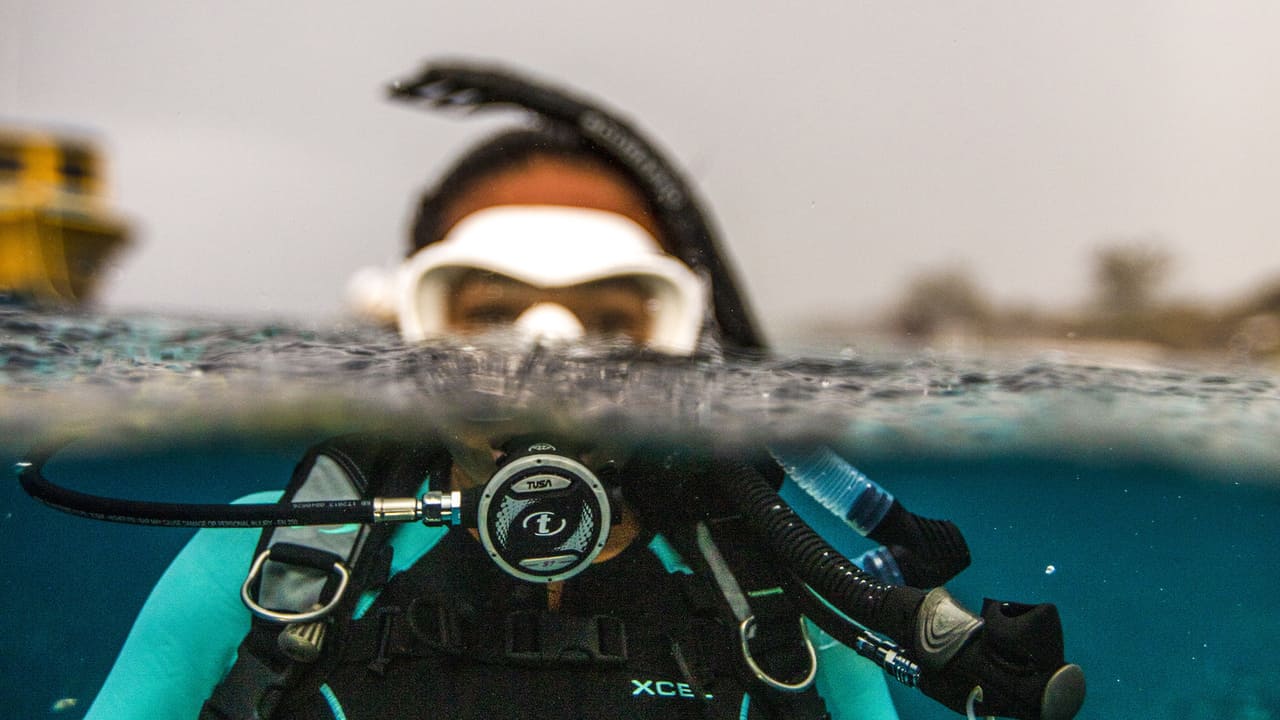
    Learn to Dive with Discover Scuba Diving & PADI Open Water Course

    Tell me more

  • Diving Tours

    Diving Tours

    We love to dive and we want to show you the wonders of our Las Catalinas Islands

    Tell me more

  • Padi Courses

    Padi Courses

    Learn to Dive with Discover Scuba Diving & PADI Open Water Course

    Tell me more

  • Padi Courses

    Padi Courses

    Learn to Dive with Discover Scuba Diving & PADI Open Water Course

    Tell me more

Scuba Dive Costa Rica

SDCR Stamp - Scuba Dive Costa RicaWe are Scuba Dive Costa Rica, a multilingual diving and snorkeling agency situated in the heart of Guanacaste, Costa Rica's premier diving region. Conveniently located just one hour from Liberia International Airport, we proudly serve renowned destinations such as Tamarindo, Flamingo, Reserva Conchal, Brasilito, Surfside, Potrero, and Las Catalinas Resort.

We invite you to explore the breathtaking underwater world of Costa Rica.

Las Catalinas Islands are the most popular dive sites in the area and are available seven days a week.

Continue Reading

Where Are The Catalina Islands ( Las Catalinas) in Costa Rica?

Quick Answer

The Catalina Islands (Las Catalinas) are a group of uninhabited volcanic islands located off the Pacific coast of Guanacaste, Costa Rica, approximately 8–15 km (5–9 miles) from Playa Flamingo, Potrero and Brasilito.

The islands are internationally renowned for scuba diving and snorkeling, offering dramatic underwater volcanic formations, seasonal manta rays, sea turtles, reef fish, rays and other marine life. Most boat trips depart from Playa Flamingo, with the journey to the islands typically taking 20–30 minutes, depending on sea conditions and the dive or snorkel site being visited.

Whether you're a certified diver, trying scuba for the first time, or simply looking for one of Guanacaste's best snorkeling experiences, the Catalina Islands are among the most accessible offshore marine destinations in Costa Rica.

Where Exactly Are Las Catalinas?

The Catalina Islands are not one island but a collection of rocky volcanic islands, small islets and underwater pinnacles scattered along Costa Rica's beautiful North Pacific coastline.

Located in Guanacaste Province, the islands lie closest to the popular beach towns of Playa Flamingo and Potrero, making them easily accessible from many of the region's most visited destinations, including Tamarindo, Playa Grande, Reserva Conchal, Brasilito and Las Catalinas town.

The Catalina Islands (Las Catalinas) are famous for their volcanic underwater landscape. Massive boulders, swim-throughs, walls and cleaning stations create a habitat that attracts an incredible variety of marine life throughout the year.

Location Map

(Insert Google Map here)

Suggested map should include:

Playa Flamingo

Playa Potrero

Tamarindo

Reserva Conchal

Brasilito

Las Catalinas

Bat Islands (Murciélago Islands) for comparison

GPS Coordinates

Approximate centre of the Catalina Islands:

Latitude: 10.28° N

Longitude: 85.52° W

Distance by boat from Popular Beach Towns

Departure Location Approximate Distance Typical Boat Time

Flamingo Marina 8 - 12 kms | 5 - 9 Miles 20 - 30 Mins

Playa Potrero 9 - 13 kms | 5 - 9 Miles 20 - 30 Mins

Tamarindo 20 - 25 Kms | 13 to 16 Miles 40 - 60 Mins

Travel Tip: If you're staying in Tamarindo or the surrounding area, consider travelling by road to Playa Flamingo before boarding your boat. This short transfer can reduce your time at sea by up to 50%, providing a more comfortable journey, reducing the chance of seasickness, and giving you more time to enjoy the Catalina Islands. We provide a shuttle bus and private transfers to our location in Flamingo, or taxis are readily available for guests without their own transport.

Why Are The Catalina Islands So Popular?

Las Catalinas has earned an international reputation as one of Costa Rica's premier diving locations because it combines easy access with outstanding marine life.

Divers regularly visit in search of:

Giant Pacific manta rays (seasonal)

White-tip reef sharks

Eagle rays

Mobula rays

Sea turtles

Giant moray eels

Octopus

Schools of jacks and snapper

Nudibranchs and macro life

Occasional whale sharks (rare)

Humpback whales during migration season (surface sightings)

Orca (very rare)

Its proximity to Playa Flamingo means divers can reach world-class dive sites in under half an hour without committing to a full-day expedition. Every day is different, and that's part of what makes the Catalina Islands so special. Ocean conditions, currents and seasonal changes mean no two trips are ever exactly alike.

What about currents at Las Catalinas?

We've had quite a few divers arrive at Las Catalinas concerned because they've read that the islands have strong currents. While ocean currents are certainly present—as they are at virtually every open-water diving destination—they are not generally considered strong at the Catalina Islands, and the area is not known primarily for drift diving.

Conditions can vary between individual dive sites and from one day to the next. Some locations may experience current, surge or stronger water movement, particularly around exposed points and pinnacles. However, this is where local knowledge and good site selection make a difference.

The dive team assesses the conditions before leaving and during the trip, and if a particular site isn't suitable for the divers or snorkelers on board, another, more sheltered location can be selected. The Catalina Islands offer a variety of sites with different depths, exposure and underwater conditions, allowing the day's itinerary to be adapted to the conditions rather than simply following a fixed route.

This is one reason the Catalina Islands can provide enjoyable experiences for a broad range of divers and snorkelers. You don't need to be an experienced drift diver to enjoy Las Catalinas. As with any ocean activity, however, the final choice of site depends on the conditions on the day and the experience and ability of the people taking part.

When is the best time to dive or snorkel The Catalina Islands?

There isn't one simple answer.

The best time to dive and snorkel Las Catalinas depends on what you want to experience. Different times of year bring changes in water temperature, visibility, marine life, wind and sea conditions.

If you're hoping to see giant Pacific manta rays, humpback whales or turtles, the season can make a difference. If your priority is warm, clear, calm water, other months may be more appealing.

The good news is that Las Catalinas is a year-round diving and snorkeling destination. Every season has something different to offer.

The Catalina Islands Through the Seasons

PeriodWater temperatureTypical visibilityWeather / sea conditions
December–March~20–24°C / 68–75°F*~10–20 m / 30–65 ftDry, sunny, windy; cooler/upwelled water
April–May~23–27°C / 73–81°F~15–25 m / 50–80 ftTransition; winds ease, visibility often improves
June–August~26–30°C / 79–86°F~15–25+ m / 50–80+ ftWarm; generally good conditions; afternoon/overnight rain
September–November~25–29°C / 77–84°F~10–20 m / 30–65 ftWetter; September/October wettest; conditions variable

* Dive-depth temperatures can be substantially colder during seasonal upwelling and thermoclines.

These figures are typical seasonal ranges rather than guarantees. Conditions can vary from day to day and from one dive site to another.

December to March — The Dry, Windy Season

December through March is traditionally known as the dry season, and it is also the windiest period of the year on the Guanacaste coast.

Air temperatures are generally high, skies are predominantly sunny and rainfall is minimal. The trade-off is that the wind can create choppier conditions, particularly later in the morning and afternoon.

Underwater, water temperatures are cooler than later in the year, typically around 20–24°C (70–75°F), with visibility often around 15 metres (50 feet).

During this dry season, strong Papagayo winds contribute to seasonal upwelling along the Guanacaste coast. Colder, nutrient-rich water can rise from depth, producing noticeably cooler water at dive depth and sometimes distinct thermoclines. Surface-water temperatures reported for the region can therefore be considerably warmer than the water a diver experiences below the surface.

For divers, this period can be particularly interesting because it overlaps with the season when giant Pacific manta rays are seen most consistently around Las Catalinas.

For snorkelers, sea conditions become an important consideration. A calm morning can provide excellent surface conditions, while stronger afternoon winds can make some locations less comfortable.

Wildlife highlight: Manta Rays

December through May is generally the period when manta rays visit Las Catalinas most consistently.

April to May — The Seasonal Transition

April and May mark an important transition.

The strong seasonal winds begin to decrease, water temperatures rise and visibility generally improves. Water temperatures can reach approximately 24–26°C (75–79°F), with visibility often around 20 metres (60 feet).

May is particularly interesting because it sits between the dry and wet seasons.

There can be a mini wet season, with afternoon or overnight rainfall beginning to appear. Although May can bring cloudy or misty mornings as the seasons change, rainfall on land does not necessarily mean poor underwater conditions. In our experience, diving conditions can remain excellent.

For divers and snorkelers, this transition period can offer a very attractive combination of warmer water, improving visibility and decreasing wind.

Wildlife highlight: Manta Rays

Manta sightings can remain good through May, although—as with all wildlife encounters—there are no guarantees.

June to September — Warm Water & Exceptional Marine Life

The summer months are when water temperature, visibility and marine-life activity can combine to create some of the most rewarding conditions of the year.

Water temperatures can reach approximately 27–30°C (80–86°F), while visibility can range from around 20 to 30 metres (60–100 feet) when conditions are favourable.

The water can be beautifully warm, clear and blue, making diving and snorkeling particularly enjoyable.

June through August can bring plenty of sunshine and hot air temperatures. Rain is often concentrated in the late afternoon or overnight, so it frequently has little impact on daytime diving and snorkeling activities.

This period also coincides with important seasonal wildlife activity.

Wildlife highlights: Humpback Whales & Turtles

July through September is an excellent period for surface encounters with humpback whales and turtles.

Whales may be seen from the boat, while turtles can sometimes be encountered at the surface during the journey to and from the islands.

For snorkelers and non-divers, this can be a particularly rewarding time to visit because some of the region's most memorable marine-life encounters happen above the water as well as below it.

September to November — The Green Season

From around mid to late September, the longer heavy-rainfall season generally becomes established and continues into November.

This is the quieter time of year for tourism, but that doesn't mean the Catalina Islands stop operating.

Diving and snorkeling continue, although trips may operate with fewer visitors and therefore smaller groups.

For people who enjoy a quieter experience, this can actually be an advantage.

Expect warm air temperatures, more frequent rainfall and changing sea conditions. Rain can occur every day during parts of this period, but it doesn't necessarily mean that diving or snorkeling will be cancelled.

By late November, rainfall generally begins to decrease as the region moves back towards the dry season.

Wildlife highlight: Marine life & quieter trips

The islands remain a year-round marine environment, and quieter visitor numbers can make this an attractive period for travellers who prefer smaller groups and a more relaxed experience.

When is the best time to see Manta Rays?

If giant Pacific manta rays are your priority, December through May is generally the period when they visit Las Catalinas most consistently.

However, manta rays are wild animals and their movements depend on changing oceanographic and seasonal conditions. The timing can vary from year to year, and a sighting can never be guaranteed.

One of the great things about manta encounters is that they aren't restricted to scuba divers. When mantas come close to the surface, snorkelers may also have the opportunity to experience these extraordinary animals.

When is the best time to see Humpback Whales?

Humpback whales can be encountered during two broad seasonal windows. Northern Hemisphere whales generally visit Costa Rican Pacific waters from January through April, while Southern Hemisphere whales arrive around July and remain into October. July–September is therefore a particularly interesting period for whale encounters.

Whale encounters are normally a surface experience rather than an underwater one, so keep watching the ocean during the boat trip. A breach, tail slap or whale surfacing nearby can become one of the most memorable moments of the day.

You don't need to be a diver to enjoy it.

When is the best time to see Turtles?

July through September can be an excellent period for turtle encounters at the surface.

This coincides with the period when humpback whales are also visiting the region, making these months particularly interesting for anyone whose priority is marine wildlife.

Turtles can, of course, be encountered at other times of the year.

Can you see Whale Sharks at The Catalina Islands?

Yes—but whale shark encounters are rare and unpredictable.

They can potentially appear at any time of year, but there is no particular season that allows you to plan a trip around seeing one.

If you encounter a whale shark at Las Catalinas, consider yourself exceptionally fortunate. It is a genuine wild encounter, not something that can be scheduled or guaranteed.

When can I see White-Tip Reef Sharks?

White-tip reef sharks can be encountered throughout the year and are one of the more reliable larger marine-life encounters at Las Catalinas.

They are often found around rocky underwater formations and sandy sea beds, where they may rest during the day.

Unlike seasonal visitors such as manta rays and humpback whales, you don't need to plan your trip around a particular month to have the opportunity to see white-tip reef sharks.

So What's the Best Month to Visit The Catalina Islands?

Rather than asking for a single "best month," think about what you want from your trip.

For warm, clear-water diving

June to September can offer exceptionally warm water and excellent visibility when conditions are favourable.

For manta rays

December to May generally provides the most consistent opportunity.

For humpback whales

July to September offers the longer seasonal window, although February and March can also provide encounters.

For surface turtle encounters

July to September can be particularly rewarding.

For white-tip reef sharks

Year-round.

For snorkeling

Snorkeling is possible throughout the year, but sea conditions are particularly important. Calm seas and good surface visibility can make a significant difference to the experience.

For quieter trips and smaller groups

The green season can be worth considering, particularly for travellers who don't mind the possibility of rain and prefer a quieter atmosphere.

From the Dive Team

After decades of diving and running dive operations in Costa Rica, we've learned that asking "When is the best time to dive The Catalina Islands?" doesn't really have one answer.

The better question is:

"What do you want to experience?"

If manta rays are at the top of your wish list, the cooler, nutrient-rich conditions of the dry season can offer some of the most consistent opportunities to encounter them. If your priority is warm water, excellent visibility and comfortable diving and snorkeling conditions, the months from late spring through summer can be particularly rewarding.

A family may be more interested in snorkeling and seeing turtles from the surface. A diver may be looking for particular marine life, underwater topography or water conditions. Someone else may simply want a quiet day on the Pacific with fewer people around.

And then there is the factor nobody can predict—the ocean itself.

Wind, swell, currents, visibility, water temperature and marine life can all change from one day to the next. Conditions can even differ between dive sites on the same day. That's why we don't believe in promising a particular animal or a particular set of conditions simply because someone has chosen the "right" month.

The Catalina Islands are wild—and that's part of their appeal.

Choose the time of year that best matches the experience you're looking for, let local conditions guide the choice of sites, and leave a little room for the unexpected.

Sometimes the encounter you weren't planning for becomes the one you remember most.

Are The Catalinas Islands Better for Diving or Snorkeling?

One of the most asked questions is whether the Catalina Islands (las Catalinas) are better for scuba diving or snorkeling.

The honest answer is both, but for different reasons.

Scuba Diving

Scuba divers can explore the deeper volcanic formations, walls and pinnacles that make the Catalina Islands famous. These deeper environments often provide opportunities to encounter larger marine species and experience the dramatic underwater landscape that cannot be seen from the surface.

Whether you're trying diving for the first time, a newly certified Open Water diver or an experienced diver looking for exciting underwater terrain, there are dive sites suitable for a range of experience levels, with site selection depending on the day's conditions.

Snorkeling

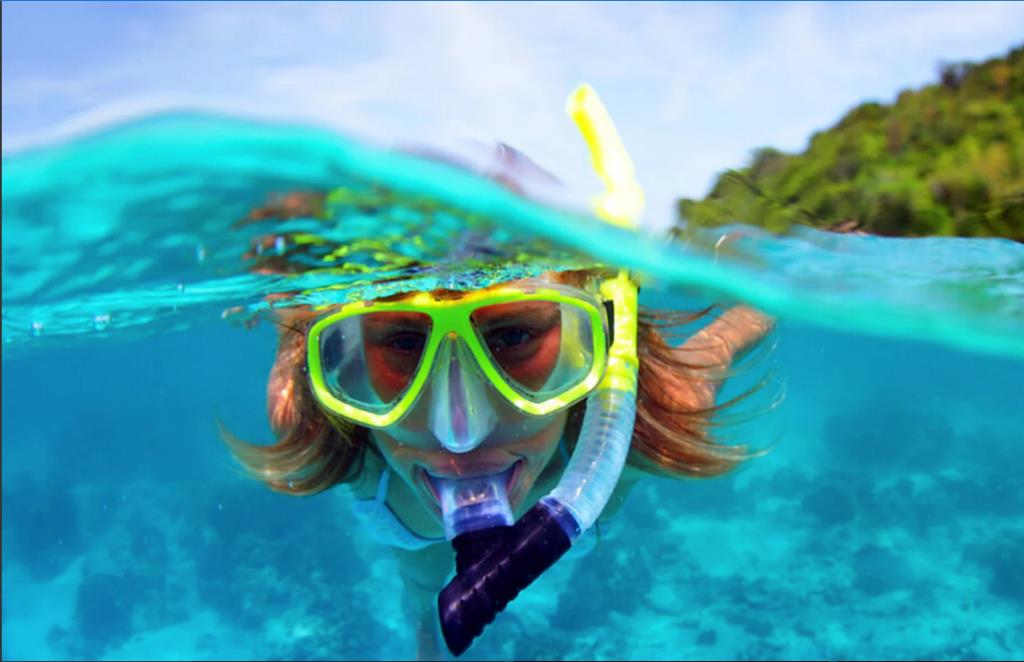
For those who prefer to stay on the surface, the Catalina Islands (Las Catalinas) also offer excellent snorkeling opportunities when sea conditions are suitable.

Snorkelers can often observe colourful reef fish, rays, sea turtles and other marine life in the shallower areas around the islands. Visibility and wildlife sightings vary throughout the year, making every trip a unique experience.

Not every snorkel site is suitable every day, which is why our local knowledge on daily sea conditions play an important role in choosing the best location.

Are The Catalina Islands the Same as Las Catalinas Town?

This is a common point of confusion for visitors.

No.

Las Catalinas, the beautiful pedestrian beach town near Playa Danta, is a luxury residential and vacation community.

The Catalina Islands (Las Islas Catalinas) are a completely separate offshore group of volcanic islands located out in the Pacific Ocean.

Although the names are similar, they are different destinations.

Travel Tip: When booking a dive trip, even if you have chosen accommodation in the town of Las Catalinas, your closest boat departures are from Flamingo and Potrero, which are a 15 minute drive. Transfers are available for those not driving.

Which Airport Is Closest?

The nearest international airport is Daniel Oduber Quirós International Airport (LIR) in Liberia.

Approximate driving times:

Liberia Airport to Playa Flamingo: 1 hour

Liberia Airport to Potrero: 1 hour

Liberia Airport to Tamarindo: 1 hour 15 minutes

This makes Las Catalinas one of the most accessible world-class dive destinations in Costa Rica.

Can you visit The Catalina Islands without diving?

Yes. There are diving-only options and combination trips for divers, snorkelers and passengers.

Are the islands inhabited?

No. The Catalina Islands are uninhabited volcanic islands with no permanent facilities.

How many islands are there?

Las Catalinas consists of a collection of rocky islands, islets and underwater pinnacles rather than one single island, and are spread over several Kms/Miles

From the Dive Team

After thousands of trips to the Catalina Islands, we've learned that no two days are ever the same. Wind, swell, currents and visibility can all vary from one side of the islands to the other. That's why experienced local captains and guides choose dive and snorkel sites based on the conditions each morning, rather than following an itinerary or the same route every day.


THE DIVE ENDS, THE MEMORY REMAINS. SHOP OUR OFFICIAL MERCHANDISE

Clothing_Banner_for_Web.jpg

Beaches and hotels in Costa Rica!

More reasons to visit this area of Costa Rica. There are Spectacular Beaches around Tamarindo, Flamingo, Conchal, Potrero and Surfside. Make the most of your time here and check out our Recommended Beaches and Other activities.

Looking for somewhere to stay? We can also assist you with choosing the right accommodation that fits your budget and needs, and is close to the center of departure. In your inquiry, send us some details of what you are looking for or you can also check out Vacation Rentals Costa Rica. If you need some help, just ask!

Ready to scuba dive?

We are excited to introduce you to the underwater realm! Please visit our booking page and fill in the form so we can assit you better. Also feel free to contact us with more questions.

Book now

See more pictures

Come to Guanacaste, Costa Rica

Guanacaste is well known for it’s spectacular beaches. From Playa Flamingo to Tamarindo there are many beaches offering stunning views and ranging surfing conditions. Considered to have the highest biodiversity in the world, Costa Rica is home to 500,000 species. Get off the beaten track and see Howler Monkeys, Iguanas even the famous Red-Eyed Tree Frog. Now everyone can enjoy Costa Rica with Hotels and Hostels to suit every visitors budget.

Hey!
Are you
a
Nature Lover?

Visit, Guanacaste, Costa Rica

The best diving in
Costa Rica

About us

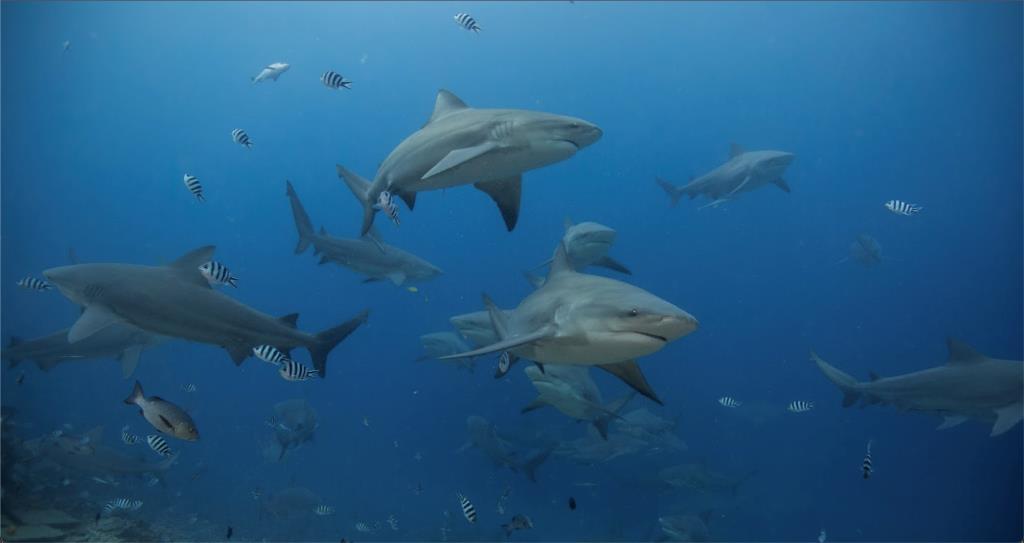
Scuba Dive Costa Rica is a multilingual Diving Agency located at the heart of Costa Rica's diving region in NW Pacific, serving Tamarindo, Flamingo, Reserva Conchal, Brasilito, Potrero and Las Catalinas Resort. We offer incredible diving opportunities at Las Catalinas for certified divers and first time divers through our Discover Scuba Diving Program. Snorkellers & Passengers are welcome too. Further north we have the famous Bull Shark Dive at Bat Islands which is available from May to October
www.scubadivecostarica.cr
Contact info

  • Playa Potrero / Flamingo
  • +506 8602 6581
  • Centro Commercial Arenas
    Guanacaste, Costa Rica
  • Tamarindo
  • +506 8602 6581